
When the Customer Says "But the Price is Cheaper Next Door"
- Jun 28
- 5 min read

It happens all the time in retail stores across Brunei. A customer walks in, looks at the price tag, pulls out their phone and shows the salesperson a screenshot. Same product. Different store. Lower price.
"Can you match this?"
And right there, in that exact moment - most salespeople either buckle and offer a discount, make up an excuse about why the prices are different, or freeze completely and lose the sale before it even had a chance.
None of those responses serve the customer, the salesperson or the business.
Here's what to do instead.
First - Understand What's Actually Happening
When a customer shows you a competitor's lower price, they're not necessarily telling you they're about to walk out. If they were, they'd have already bought it elsewhere.
The fact that they're standing in your store, showing you that screenshot, means something important: they're giving you a chance to convince them. They want to buy. They just need a reason to buy here - at this price - from you.
And here's the other side of that moment: the salesperson is under pressure too. Targets to hit. Commission on the line. The instinct to just close the sale - any sale, at any margin - is completely understandable. But that desperation has a way of showing up in the conversation, and customers feel it.
The moment a salesperson becomes more focused on closing than on serving, the customer gains the upper hand. They sense the urgency and use it as leverage. Ironically, the harder you chase the sale, the more likely they are to push for a discount, and the more likely you are to give one.
Your job in that moment is not to defend the price. It's to give them a reason to say yes - calmly, confidently and without your target showing on your face.
The Hidden Cost of "Better Some Money Than None"
Most salespeople who discount under pressure tell themselves the same thing: "Better some commission than no commission."
It feels logical in the moment. But let's look at what it actually costs.
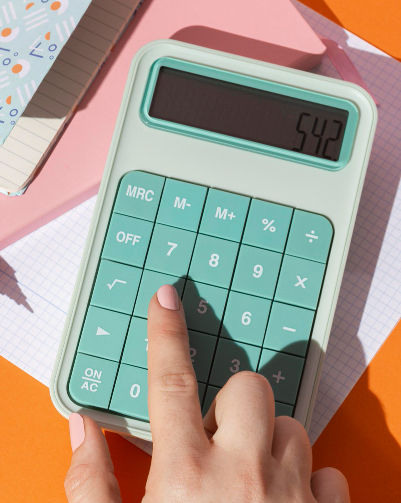
If your commission is based on the sale price, a discount doesn't just reduce the store's margin - it reduces your earnings too. Every time you give away 10%, you're giving away a percentage of your own pay cheque. Do that consistently across every hesitant customer and the cumulative loss to your income over a month is more significant than most salespeople stop to calculate.
More importantly, a customer who gets a discount once expects one every time. They'll come back, bring their friends and tell them to ask for a discount too. You haven't just lost margin on one sale. You've set a precedent that will follow you.
The salesperson who learns to hold their price confidently doesn't just protect the store's margin. They protect their own earning potential - and build a reputation as someone customers trust rather than someone customers negotiate against.
What Not to Do
Before getting into what works, it's worth being clear about what doesn't.
Don't apologise for your price. The moment you say "I know we're a bit more expensive but..." you've already undermined yourself. You've confirmed their concern before they even fully raised it.
Don't badmouth the competitor. Not even a hint! Comments like "well, you get what you pay for" or "I'm not sure about their after-sales service" make you look insecure rather than confident. Customers notice - and it puts them off.
Don't offer a discount. Beyond the obvious problem of diluting the store's margin, it sends a signal that the original price was never real. If you dropped it that quickly, they'll wonder what else is negotiable - and they'll push harder.
Acknowledge It - Calmly and Without Drama
The first move is simply to acknowledge what the customer has shown you, without making it a big deal.
"Yes, I've seen that. That's the price they've chosen to go with."
That's it. No defensiveness. No lengthy explanation. Just a calm, confident acknowledgement that you're aware and unbothered by it.
This matters more than it sounds. Confidence in your price signals confidence in your store. If you react like the competitor's price is a problem, the customer will treat it like one too.
Shift the Conversation - From Price to What Happens After
Here's the core of the technique. When the product is identical everywhere, the only real difference is what the customer's experience looks like during and after the purchase. That's what your store is actually selling and that's what the salesperson needs to make real in the customer's mind. Not in a scripted, rehearsed way. In a genuine, conversational way.
"The product is the same - you're right about that. What I can tell you is what's different about buying it here."
Then be specific:
"If something doesn't work the way you expected, or you have questions after you get it home - you can come back to us and we'll sort it out. That's not always guaranteed when a store is running a promotional price to clear stock."
Or:
"A lot of our customers have bought elsewhere for a lower price and ended up back here when something went wrong - and by then it costs more to fix than they saved."
None of these are manipulative. They're honest. And they reframe the conversation from "who is cheapest" to "what am I actually getting for my money".
Give the Customer Permission to Choose
This is the part most salespeople skip - and it's often what closes the sale.

After you've made your case calmly and honestly, give the customer the space to decide without pressure.
"If the price elsewhere genuinely works better for your budget right now, I completely understand - that's your call to make. But if knowing you've got somewhere to come back to matters to you, we're here."
This does something counter-intuitive. By removing the pressure, you actually increase trust. The customer stops feeling like they're being sold to and starts feeling like they're being respected. And people buy from people they trust, especially when the price is close.
The Skill Behind All of This
Staying calm when a customer quotes a competitor's price.
Acknowledging it without flinching.
Redirecting the conversation to value and after-sales experience.
Knowing when to stop talking and let the customer decide.
These are skills that can be learned, practised and improved with the right training. Obviously, the store management and team members also need to be on the same page to make it work.
The salesperson who masters this doesn't just close more sales. They protect their own commission, build the store's reputation and create the kind of customer relationships that bring people back - even when somewhere else is slightly cheaper.
If your retail or sales team in Brunei faces this situation regularly, the Professional Selling Skills program at Doris Suresh Consulting covers exactly this kind of real-world scenario - practical, honest and built around the situations your team actually faces every day.


Comments